

Summary
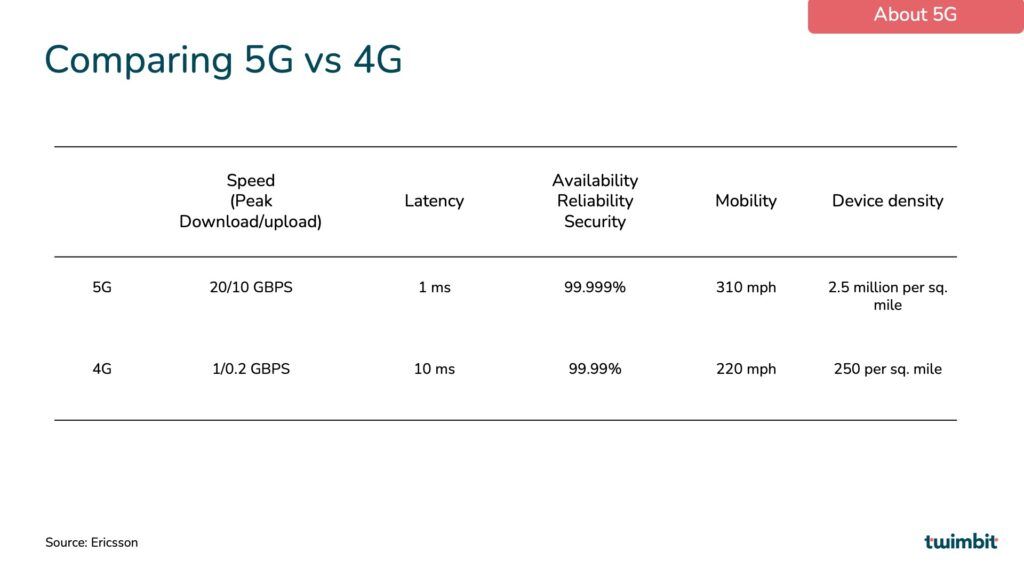
Fifth-generation mobile networks promise a fundamentally different set of capabilities than their predecessors, combining higher bandwidth, dramatically lower latency, and the ability to reliably connect dense clusters of devices within a single area. The technical fundamentals separating 5G from 4G include the spectrum bands operators are deploying across low, mid, and high frequencies, and the resulting tradeoffs between coverage and speed that shape network rollout strategy across Asia Pacific.
Each preceding network generation reshaped what was possible over mobile connections, from second-generation networks that first brought basic internet and voice together, through third-generation smartphone apps, to fourth-generation speeds that made HD video and mobile streaming routine -- setting the stage for what fifth-generation networks promise next.
Three core application categories -- enhanced mobile broadband, massive machine-type communications, and ultra-reliable low-latency communications -- underpin everything from immersive AR/VR media and cloud gaming to industrial IoT deployments and mission-critical use cases like remote surgery and autonomous vehicles. Operators are strategising around consumer adoption through device availability and value-added app bundling, while enterprises weigh dedicated on-premises private networks against hybrid deployment models for manufacturing, ports, mining, and healthcare applications.
Network-as-a-Service is also emerging as a business model addressing the infrastructure cost and technical expertise barriers that have slowed private 5G adoption among enterprises lacking in-house network capabilities.
- Covers 5G spectrum bands, private network deployment models, and enterprise use cases
- Includes a video primer and an interactive quiz to test your 5G knowledge
Schedule a call with Twimbit analyst to learn how we can help you.
Already a Twimbit client? Log in