

Summary
The environmental cost of non-fungible tokens has become one of the most contested questions in the digital art and blockchain space. NFTs' reliance on energy-intensive blockchain infrastructure has drawn criticism from environmentalists, artists, and conservation organisations alike, fueling an ongoing sustainability debate.
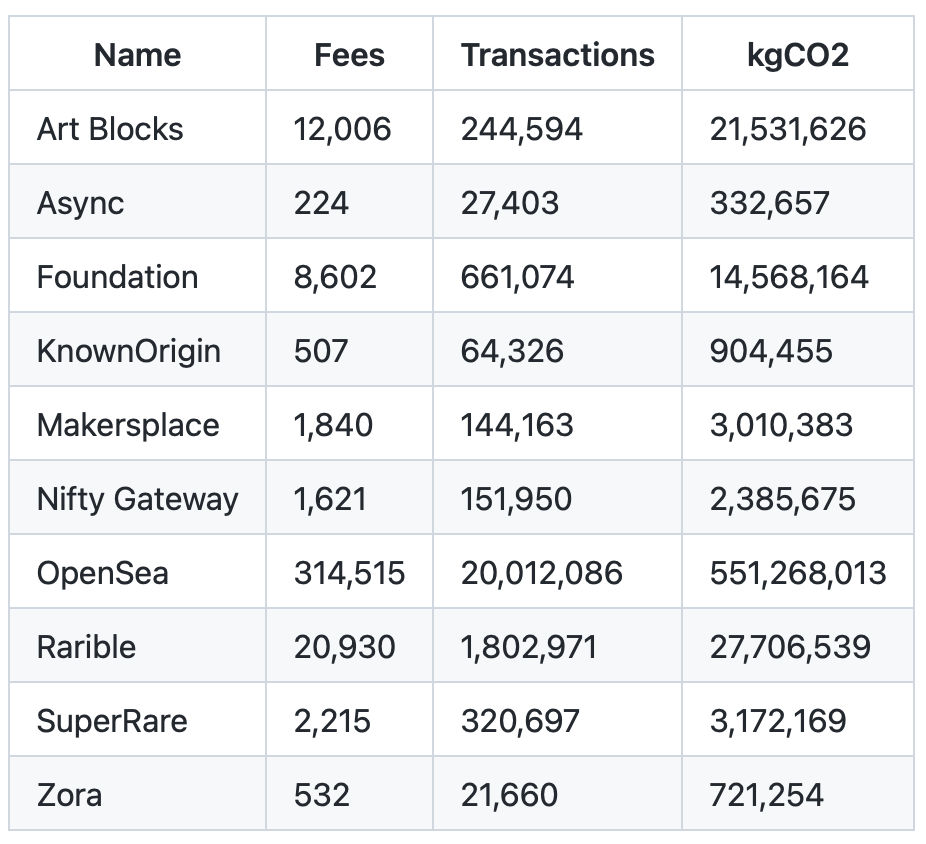
NFTs built on proof-of-work blockchains carry a significant carbon footprint, driven by the mining process, gas fees, and network mechanics that make transactions on marketplaces such as OpenSea, SuperRare, and Rarible particularly energy-intensive when built on Ethereum. Counterarguments compare NFT-related emissions against other major energy consumers, including global banking, questioning whether NFTs are being disproportionately singled out for a systemic issue tied to the wider cryptocurrency mining ecosystem.
Looking ahead, technical pathways toward greener NFT infrastructure include the shift toward proof-of-stake blockchains such as Flow, Polygon, and Tezos, layer-2 scaling solutions like StarkWare's rollup technology that bundle transactions off-chain, and renewable-powered mining operations. Marketplaces, artists, and platform operators are beginning to respond to environmental pressure through alternative blockchain choices, lazy minting practices, carbon offset efforts, and emerging industry standards for measuring and disclosing transaction-level emissions.
For collectors, creators, and technology leaders evaluating the sustainability implications of digital ownership, a balanced framework helps weigh both the environmental risks of current NFT infrastructure and the innovations positioned to address them as the ecosystem continues to mature.
Schedule a call with Twimbit analyst to learn how we can help you.
Already a Twimbit client? Log in