


Summary
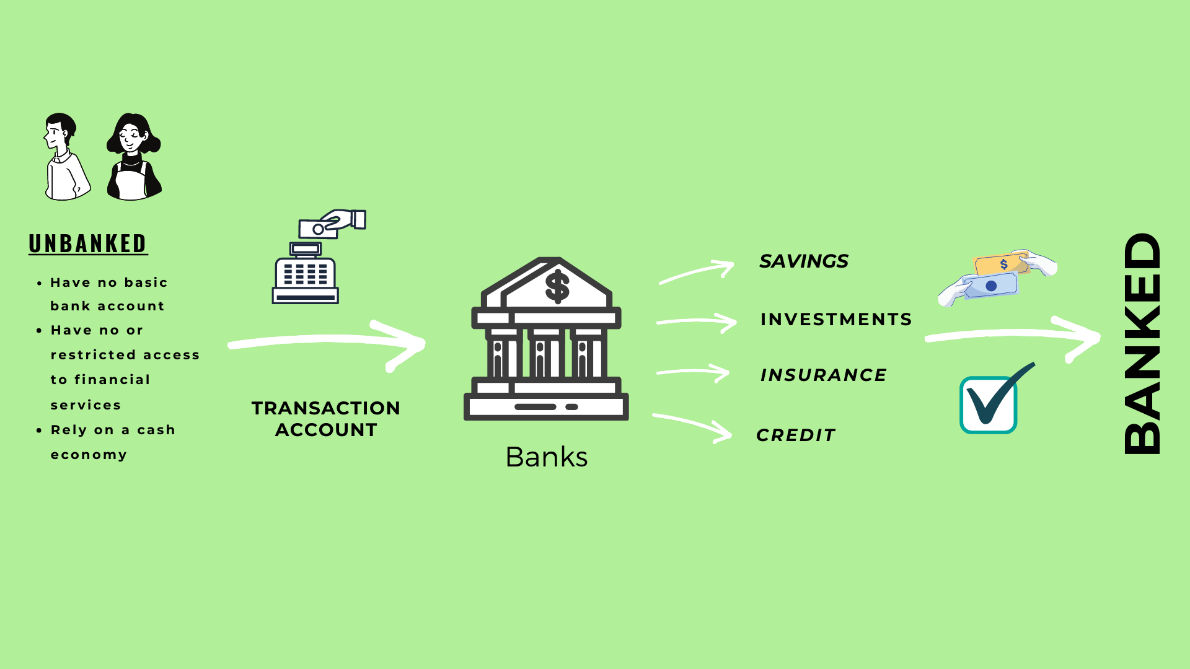
Financial inclusion remains an unfinished project across much of Asia Pacific, where a significant share of the adult population still lacks access to a basic bank account. Ten banks across China, Indonesia, Bangladesh and India have built distinct strategies for reaching historically underserved populations, offering a learning list for other institutions pursuing similar goals.
The banks profiled are evaluated against four criteria spanning economic impact, market penetration, technological adoption and social impact — deliberately excluding political and regulatory factors to focus purely on what individual institutions have achieved through their own strategy and execution. The selected banks span a range of approaches, from agent-banking networks reaching deep into rural communities, to zero-collateral microfinance models, to postal service networks repurposed for doorstep banking.
Beyond the ten profiled institutions, five recurring factors keep populations unbanked across the region — including wealth levels, financial literacy, documentation barriers, cultural conservatism, and limited accessibility in remote areas. Six practical actions follow for banks looking to address them, from financial literacy campaigns and kiosk banking models to mobile applications built for vernacular languages and strategic partnerships with telecom and technology firms.
Taken together, these case studies and recommendations make clear what effective, scalable financial inclusion strategy looks like in practice across diverse Asia Pacific markets.
What separates the banks genuinely closing Asia Pacific's financial inclusion gap from those merely talking about it?
Schedule a call with Twimbit analyst to learn how we can help you.
Already a Twimbit client? Log in