

Summary
Telecom networks a decade from now will look structurally different from today's, supporting industrial automation, extended reality, and use cases that current infrastructure was never designed for. Enterprises stand to gain efficiency, automation, and sustainability benefits once these networks mature, but getting there requires operators to rethink their networks on multiple fronts at once. Reliance Jio's Senior Vice President of network technology and automation maps out how operators need to transform to get there.
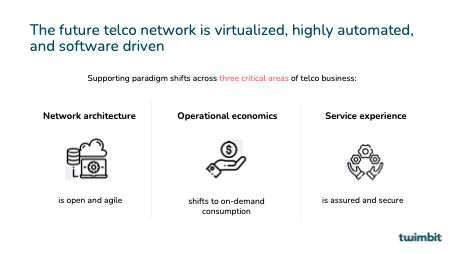
Three dimensions of change frame the discussion. Network architecture is shifting toward open, cloud-based, and fully virtualised systems built on general-purpose hardware rather than proprietary appliances, with artificial intelligence and machine learning handling dynamic tasks like bandwidth provisioning and network slicing. Operational economics is moving away from fixed-cost, linear infrastructure spending toward on-demand, usage-based models that let operators tailor bundles to individual customer needs without the cost penalty of static networks.
The third dimension, service experience, focuses on consolidating fragmented support functions into a single, proactive point of contact so operators can identify and resolve issues before customers notice them, rather than routing tickets between disconnected operations centers responsible for network, billing, or service concerns.
- How virtualisation and open interfaces reshape the telco vendor ecosystem
- Why static, fixed-cost networks can no longer keep up with dynamic customer demand
What will it actually take for telco networks to support the industrial and immersive use cases expected by 2027?
Schedule a call with Twimbit analyst to learn how we can help you.
Already a Twimbit client? Log in