


Summary
Manufacturing sits at the centre of the fourth industrial revolution, with connectivity increasingly determining how fast factories can move toward real-time customisation, decentralised decision-making and end-to-end value chain visibility. As global manufacturing hubs across Vietnam, Mexico and Malaysia scale up, operators face mounting pressure from skilled-labour shortages, data security concerns and fast-changing customer demand.
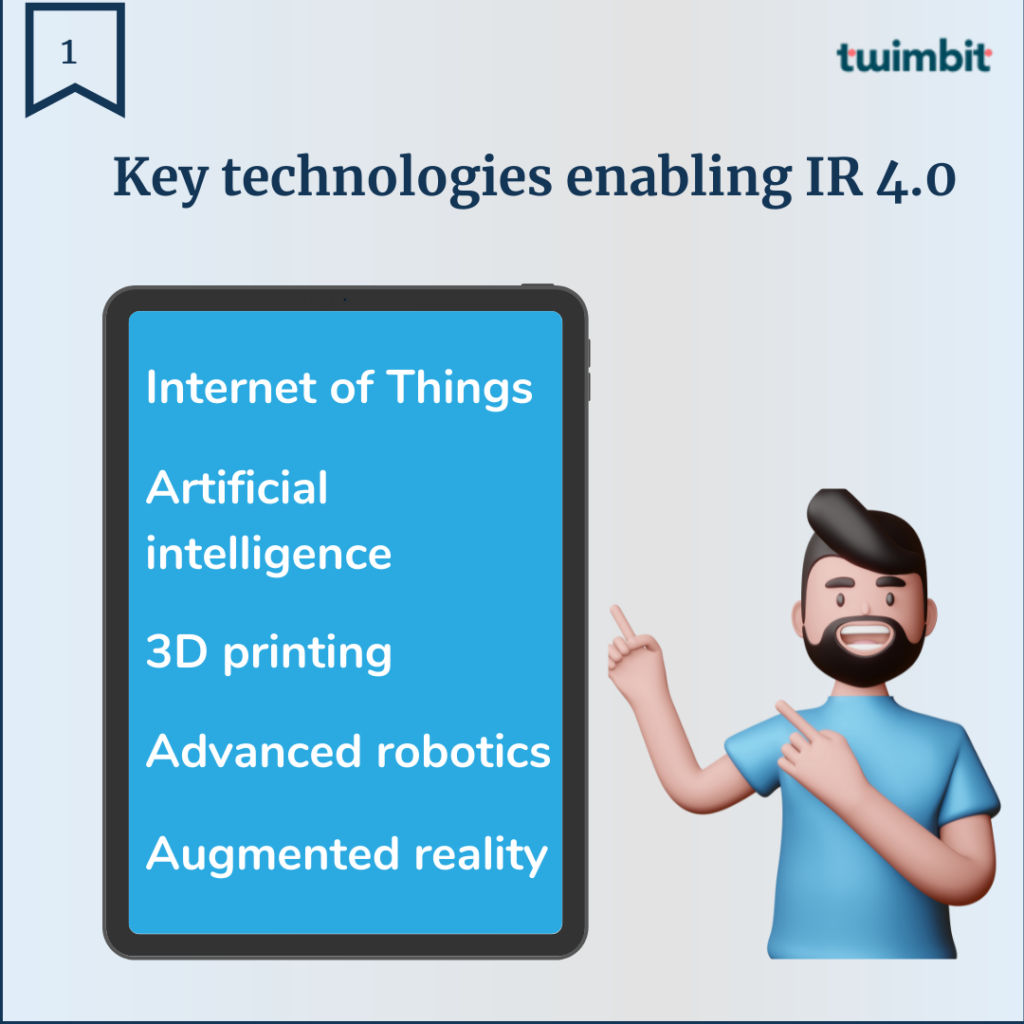
Private 5G networks intersect closely with the core technologies driving Industry 4.0, including the Internet of Things, artificial intelligence, additive manufacturing, advanced robotics and augmented reality, and factory connectivity choices matter more as these systems converge on the shop floor, in warehouses and across extended supply chains.
Five concrete use cases show where 5G's device density, ultra-low latency and reliability change what is operationally possible: remote and collaborative robotics, predictive maintenance, AR-guided remote expertise, additive manufacturing, and precision monitoring through digital twins. Each use case carries distinct connectivity requirements, and private 5G brings capabilities that legacy Wi-Fi and wired networks cannot match.
Manufacturing leadership's current stance on private 5G adoption spans a range of deployment models under consideration, from standalone private networks to hybrid architectures layered on Wi-Fi, alongside the barriers, including cost and network management complexity, still slowing rollout.
What will it take for private 5G to move from pilot projects to mainstream deployment on the manufacturing floor?
Schedule a call with Twimbit analyst to learn how we can help you.
Already a Twimbit client? Log in