


Summary
Small and medium enterprises form the backbone of Asia Pacific economies, yet a substantial share of their financing needs go unmet by traditional banks. The scale of that underserved market, the structural reasons banks have historically treated SME lending as high risk, and the technology-driven models now emerging to close the gap all point to where SME banking is headed next.
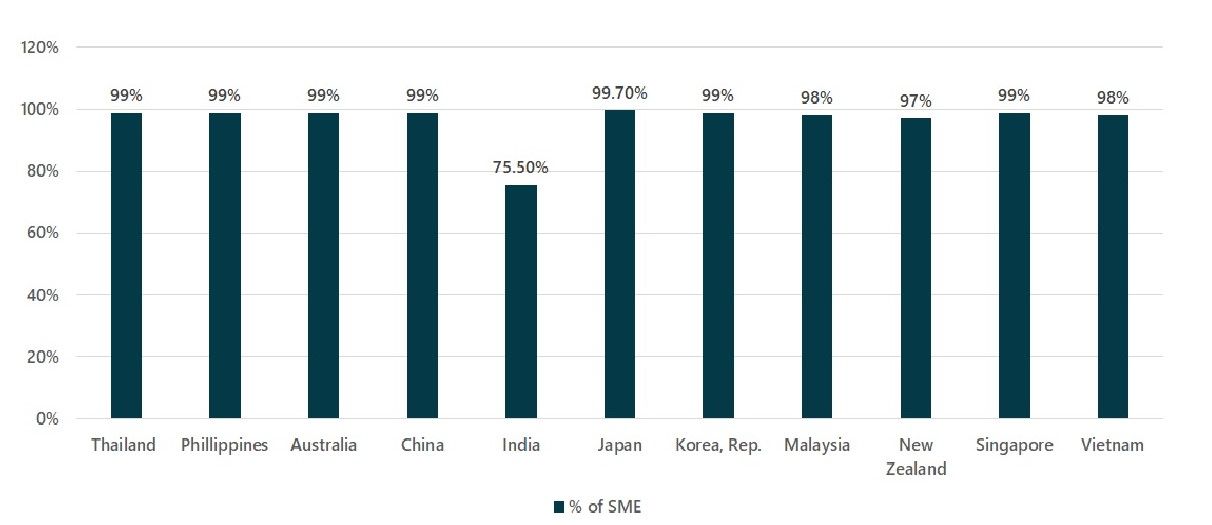
SME contribution to GDP and business count varies across major Asia Pacific economies, and the region's financing shortfall runs deep: non-performing loan ratios for SMEs sit higher than for large enterprises, driven by reliance on traditional credit-assessment methods that struggle to capture the realities of informal and rural businesses. Digital lenders and platform-based banks are using alternative data sources, open banking APIs, and advanced analytics to build faster, more inclusive credit models, illustrated through a detailed look at how one Asia-based digital lender compressed loan approval from weeks to minutes.
Regulatory momentum and digital infrastructure are converging to create new growth pathways for banks, fintechs, and SME-focused lending platforms across the region.
- Benchmarks SME financing gaps and credit-constraint levels across Asia Pacific markets
- Profiles alternative-data lending models built for underserved SME segments
What will it take for financial institutions to turn the region's underserved SME segment into a genuine growth engine?
Schedule a call with Twimbit analyst to learn how we can help you.
Already a Twimbit client? Log in