


Summary
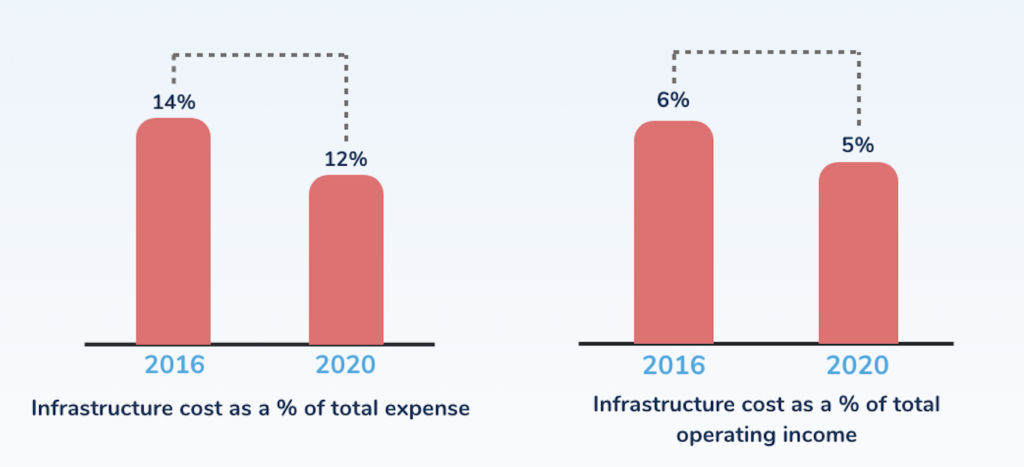
Bank branches are shrinking in number but not disappearing, and the institutions getting this transition right are blending physical presence with digital convenience rather than choosing one over the other. Infrastructure costs across top Asia Pacific banks have declined steadily as branch networks contract, yet markets like India, Japan, Australia, and Taiwan still rely heavily on in-person banking, creating pressure to reinvent rather than eliminate the branch.
Case studies from institutions including HSBC, OCBC, DBS, UOB, Bank of America, and Virgin Money reveal six distinct transformation models, ranging from community-hub branches that double as social and event spaces to fully self-serviced robotic branches built for low-footfall areas. Others are reimagining physical space entirely, migrating over-the-counter services to smart kiosks, turning branches into financial advisory and digital-education centres, or even converting heritage buildings into mini-museums.
Each model carries different implications for staffing, real estate strategy, and customer segmentation, with some banks prioritising urban flagship experiences while others focus on mobile or travel-based banking to reach customers on the move. Understanding which combination of digital self-service, human advisory, and community engagement fits a given market is central to designing the branch network of the future.
- Community-hub and café-style branches from Virgin Money, Capital One, and DBS
- Self-service kiosks, robotic branches, and mobile banking on rail networks
Schedule a call with Twimbit analyst to learn how we can help you.
Already a Twimbit client? Log in