


Summary
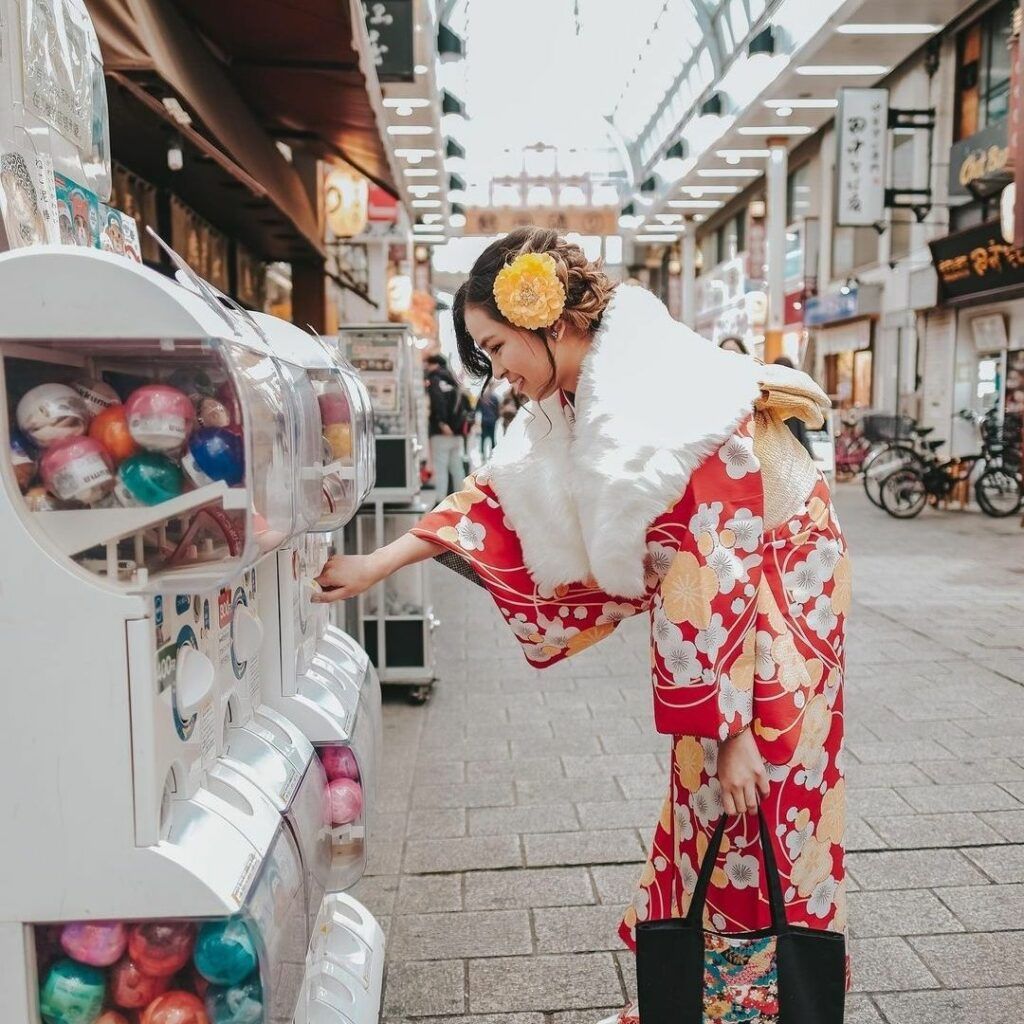
A Japanese capsule-toy vending machine and a Nespresso pod share more in common than it first appears: both turn a simple transaction into a small ritual of anticipation and reveal, which is precisely what defines the experience economy. Coined by Joseph Pine and James Gilmore, the concept argues that in a world of abundant choice and near-frictionless online commerce, staged experiences rather than products or services alone become the true competitive differentiator.
A useful framework splits experience quality into two components: functionality, meaning products and services that deliver genuine efficiency and convenience, and the ability to cultivate joy, meaning the emotional resonance that makes a brand memorable long after the transaction ends. Companies like Grab and Amazon illustrate strength on the functionality side, while theme parks and nostalgic consumer rituals show how emotional design builds lasting brand attachment.
The stakes are substantial, with good experiences estimated to generate trillions of dollars in global consumer spending annually and directly driving organic recommendations, the outcome most businesses struggle hardest to earn. Understanding how to design for both functional excellence and emotional payoff, rather than treating them as separate disciplines, is what separates brands people merely use from brands people talk about.
Schedule a call with Twimbit analyst to learn how we can help you.
Already a Twimbit client? Log in